



See Our Latest Posts and News
Access our FREE Articles and Learning Library of content
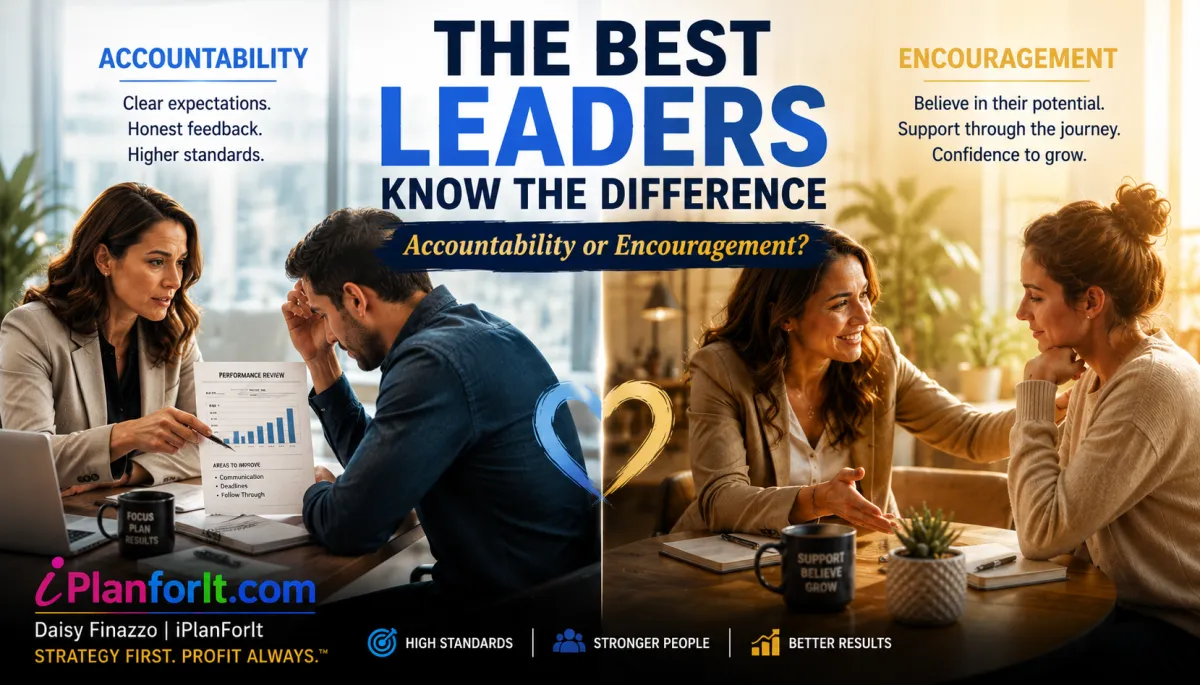
ACCOUNTABILITY & ENCOURAGEMENT - THE BEST LEADERS KNOW THE DIFFERENCE
Leadership, Personal Development, Emotional Intelligence
Emotional Intelligence in Leadership
Knowing When People Need Accountability and When They Need Encouragement
"The best leaders know when people need accountability and when they need encouragement."
Some employees need someone to challenge them.
Others need someone to believe in them.
The hardest part of leadership isn't making decisions. It's knowing which conversation will actually help someone grow, and knowing that not everyone needs the same one.
Great leaders don't treat every person the same. They learn to recognize what each person needs most in a given moment. That skill has a name, and it's one of the most talked about and most misunderstood ideas in business today.
That skill has a name.
Emotional intelligence.
Many people assume emotional intelligence simply means being empathetic, avoiding conflict, or making everyone comfortable. In reality, it's something much deeper. It's the ability to understand people well enough to know what they actually need to succeed, not simply what they want to hear.
Throughout my career, one lesson has stayed with me more than almost any other. Not everyone needs the same kind of leadership. Some people already know they can succeed. They simply need clear expectations and accountability. Others have the skills but have lost confidence somewhere along the way. They don't need more pressure. They need someone who sees potential they haven't yet learned to see in themselves.
Holding someone accountable isn't punishment. It's believing they're capable of meeting a higher standard.
Encouraging someone isn't lowering the bar. It's helping them find the confidence to reach it.
Both conversations communicate the same message. I believe you're capable of more.

What Emotional Intelligence Really Means
Emotional intelligence is the capacity to recognize, understand, and manage your own emotions while also perceiving and responding constructively to the emotions of others. For a leader, it means staying aware of what's happening beneath the surface of a conversation. The tension, hesitation, frustration, or quiet motivation that never quite gets spoken out loud.
At its core, emotional intelligence is built on five abilities.
Self-awareness. Understanding how your own emotions influence your decisions.
Self-management. Staying composed when a situation gets difficult.
Empathy. Understanding another person's perspective without losing your own objectivity.
Social awareness. Recognizing the dynamics playing out within a team.
Relationship management. Building trust while still maintaining accountability.
These aren't personality traits someone either has or doesn't have. They're leadership skills that improve with experience and intentional practice, just like any other skill.
Knowing Which Conversation People Need
Every person on a team needs both accountability and encouragement at different stages of their growth. The art of leadership is knowing which lever to pull, and when. Overusing either one quietly damages performance and trust.
Accountability is needed when expectations are not being met. It sounds like this. We agreed on this deadline. What got in the way, and how will you make sure it doesn't happen again?
Encouragement is needed when someone is trying, learning, or taking a real risk, and fear, doubt, or fatigue is starting to creep in. It sounds like this. You're stretching into something new. Here's what you're doing well, and I believe you can figure out the rest.
Emotional intelligence helps leaders avoid two common mistakes: lowering expectations to avoid discomfort or becoming so focused on performance that people stop feeling supported. In other words, it helps leaders avoid being so nice that standards quietly erode or so tough that people shut down entirely. Instead, it guides them toward a balanced approach where expectations remain high, and people feel genuinely supported in meeting them.

Reading What Someone Needs in the Moment
The real test of emotional intelligence isn't what you know. It's what you notice. It's the real-time interaction happening right in front of you. In a hard conversation, can you sense whether the person across from you needs a push or a pause? Pay attention to three signals.
Words. Are they taking responsibility or deflecting it? Someone making excuses may need firmer accountability. Someone owning their mistake may benefit far more from encouragement and guidance.
Body language. Do they look defensive, shut down, or defeated? A defensive posture might call for calm, clear boundaries. A defeated posture may signal that what they need most right now is reassurance that they're capable of improving.
Patterns. Is this a one-time issue or a recurring theme? A pattern usually calls for stronger accountability. A rare misstep is often better met with empathy and coaching instead.
Emotional Intelligence in an AI World
Artificial intelligence is transforming how businesses operate. It analyzes data faster than we ever could. It automates repetitive work. It summarizes meetings, drafts reports, and spots trends in seconds.
But it cannot replace emotional intelligence.
Technology doesn't notice when someone has quietly lost their confidence. It doesn't catch the tension building between two coworkers before it turns into real conflict. It doesn't understand the pride someone feels after finally solving a hard problem, or the disappointment that follows a missed opportunity.
Leadership will always require human judgment. Technology will continue to improve, but human understanding will continue to distinguish exceptional leaders from average ones.
Pro Tip: Ask each person how they prefer to receive feedback and support. Their answer becomes a roadmap for leading
them well.
Key Takeaway: Pause before responding. Ask yourself what response will actually help this person grow right now. Accountability, encouragement, or a careful blend of both.
At iPlanForIt, we believe emotional intelligence isn't a soft skill. It's a leadership multiplier. Strategy sets direction. Systems create consistency. But emotional intelligence is what determines whether the people carrying out that strategy feel challenged, supported, and genuinely invested in getting there.
You'll never get every conversation exactly right. Neither did I. Leadership isn't about perfection. It's about caring enough to keep learning from every conversation.
My Reflection
One of the greatest lessons I've learned throughout my career is that people rarely need identical leadership.
I've also learned that accountability and encouragement are not opposites. The best leaders use both because both come from the same place. They genuinely want people to succeed. Sometimes success requires someone to challenge us. Other times it requires someone to remind us we're stronger than we think. Learning the difference may be one of the most valuable leadership skills I've ever developed.
I've managed high performers who only wanted clear expectations and the freedom to do their jobs. I've also worked with talented people who doubted themselves far more than they should have. Both required leadership. Just not the same kind.
There were times when my responsibility was to hold someone accountable, because I knew they were capable of more. There were other moments when accountability wasn't the answer. Encouragement was. Sometimes all someone needed was for another person to believe in them before they believed in themselves.
I've also learned that emotional intelligence isn't about avoiding difficult conversations. Some of the most compassionate things I've ever done as a leader involved conversations neither of us wanted to have. Respect doesn't mean lowering standards. It means treating people with dignity while helping them grow.
Looking back, the leaders who influenced me most weren't remembered for being the smartest people in the room. They were remembered because they understood people.
Business will continue to evolve. AI will continue to reshape the way we work. But people will always remember how they were treated and held accountable. Long after projects are finished and goals are achieved, they'll remember the leader who believed in them enough to hold them accountable, encourage them when they needed it most, and help them become better than they were yesterday. Some may not be happy because accountability is not always well received, but in the end, it helps them grow and become better than they were yesterday. Encouragement is something people appreciate, and it can be helpful at times as long as they make changes going forward.
Daisy Finazzo | iPlanForIt
Strategy First. Profit Always.™
Helping business owners build more profitable, valuable, and transferable companies.
© 2026 iPlanForIt, Inc. All rights reserved.

Driving Growth, Amplifying Impact

CHOOSE HOW YOU WANT TO WORK WITH US
BUILD A STRONGER, MORE VALUABLE BUSINESS.
We uncover hidden profit opportunities, reduce unnecessary expenses, strengthen operations, implement AI strategically, and help owners build more profitable, valuable, and transferable companies.
Our mission is simple: help business owners turn untapped potential into stronger performance, sustainable growth, and greater long-term enterprise value.